Let's know about Coronavirus (COVID 19): Symptoms and Prevention (About Coronavirus Symptoms and Prevention)
Coronavirus commonly affects the respiratory tract of birds and mammals, including humans. Doctors associate them with the common cold, bronchitis, pneumonia, severe acute respiratory syndrome (SARS), and coronavirus disease 2019 ( COVID-19). This virus can also affect the intestine.
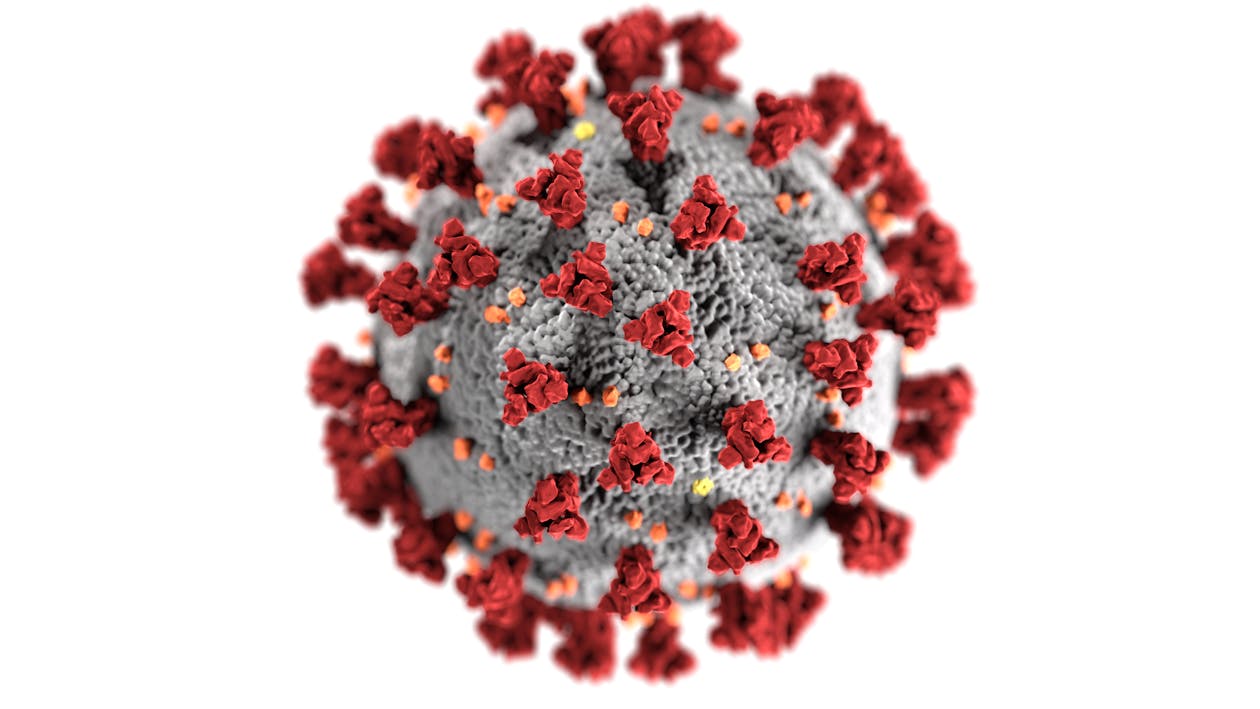
responsible for more serious illnesses. Over the past 80 years, scientists have found that the virus can infect rats, dogs, cats, turkeys, horses, pigs, and cattle. Sometimes, these animals transmit the virus to humans. Recently, officials identified a new coronavirus outbreak in China that has now spread to other countries. The virus is called severe acute respiratory syndrome coronavirus 2 (SARS-CoV-2) and can cause COVID-19.
In this article, we will talk about Coronavirus, its symptoms, and how it can infect people.
What is coronavirus ?
Researchers first identified a coronavirus in 1937, responsible for a type of bronchitis that had the potential to destroy poultry in birds.
symptoms and prevention
In the 1960s, scientists found evidence of the human coronavirus in the noses of people with the common cold. Human coronaviruses that are particularly prevalent include 229E, NL63, OC43, and HKU1. The name "coronavirus" comes from the crown-like projections on their surfaces. "Corona" means "halo" or "crown" in Latin. In humans, coronavirus infection is often
Occurs during the light months and early spring.
Occurs during the light months and early spring.

COVID-19, the coronavirus
In 2019, the Centers for Disease Control and Prevention (CDC- a US organization ) began monitoring the outbreak of a new coronavirus, SARS-CoV-2, which causes COVID -19. is formed. Officials first identified the virus in Wuhan, China. The virus has since spread to almost every country, prompting the World Health Organization (WHO) to declare it a pandemic. The new coronavirus is responsible for millions of infections globally, causing thousands of deaths. The United States has seen the highest number of these deaths. from COVID-19
Infected early people had connections to an animal and seafood market. This suggests that animals initially transmitted the virus to humans. Then, people with no connection to the market developed the disease, confirming that humans could pass the virus to each other.
Most people infected with COVID-19 will have a mild form of the disease. According to the WHO, about 80% of people who get COVID-19 will recover without hospitalization.
The remaining 20% become seriously ill and develop breathing difficulties.
Certain groups have a higher risk of serious disease, including older adults and people with underlying medical concerns, including high blood pressure, heart and lung problems, diabetes, and cancer.
Mortality rates vary between countries. In the US, the mortality rate is around 6%.
According to the CDC, children are no more at risk of COVID-19 than adults.
Pregnant women are at the same risk of COVID-19 as other adults. However, during pregnancy, women are at higher risk of serious illness from viruses that are similar to SARS-CoV-2 and influenza.
The CDC also recommends that babies born with suspected or confirmed COVID-19 be placed in isolation.
Infected early people had connections to an animal and seafood market. This suggests that animals initially transmitted the virus to humans. Then, people with no connection to the market developed the disease, confirming that humans could pass the virus to each other.
Most people infected with COVID-19 will have a mild form of the disease. According to the WHO, about 80% of people who get COVID-19 will recover without hospitalization.
The remaining 20% become seriously ill and develop breathing difficulties.
Certain groups have a higher risk of serious disease, including older adults and people with underlying medical concerns, including high blood pressure, heart and lung problems, diabetes, and cancer.
Mortality rates vary between countries. In the US, the mortality rate is around 6%.
According to the CDC, children are no more at risk of COVID-19 than adults.
Pregnant women are at the same risk of COVID-19 as other adults. However, during pregnancy, women are at higher risk of serious illness from viruses that are similar to SARS-CoV-2 and influenza.
The CDC also recommends that babies born with suspected or confirmed COVID-19 be placed in isolation.
Symptoms of COVID-19
People can start experiencing symptoms within 2-14 days after being exposed to the virus. Symptoms may include:- Fever
- Chills
- Cough
- Shortness of breath or difficulty breathing
- Sore throat
- Congestion or runny nose
- Fatigue
- Headache
- Muscle pain
- New loss of taste or smell
- Vomiting or nausea
- Diarrhea
There is currently no vaccine available for COVID-19. However, scientists have now replicated the virus. This may allow for early detection and treatment in people who have the virus but are not experiencing symptoms.
The following groups have a higher risk of developing serious illness from COVID-19:
- people 65 years of age or older
- people living in nursing homes or care facilities
- People of any age who have serious underlying medical conditions, including chronic lung disease, serious heart conditions, severe obesity, a compromised immune system, or diabetes.
- COVID-19 most commonly causes mild symptoms in children.
Common symptoms of coronavirus infection
- Fever
- Chills
- Cough
- Shortness of breath or difficulty breathing
- Sore throat
- Congestion or runny nose
- Fatigue
- Headache
- Muscle pain
- New loss of taste or smell
- Vomiting or nausea
- Diarrhea
There is currently no vaccine available for COVID-19. However, scientists have now replicated the virus. This may allow for early detection and treatment in people who have the virus but are not experiencing symptoms.
The following groups have a higher risk of developing serious illness from COVID-19:
The following groups have a higher risk of developing serious illness from COVID-19:
- people 65 years of age or older
- people living in nursing homes or care facilities
- People of any age who have serious underlying medical conditions, including chronic lung disease, serious heart conditions, severe obesity, a compromised immune system, or diabetes.
- COVID-19 most commonly causes mild symptoms in children.
Common symptoms of coronavirus infection
Cold or flu-like symptoms usually set in about 2-4 days after the infection develops. Typically, symptoms are mild, although they vary from person to person. In some people, coronavirus infections are fatal.
Symptoms may include:
- a runny nose
- Headache
- Cough
- fever
- sore throat
- feel generally unwell
There is currently no cure for diseases such as colds caused by the coronavirus. Treatments include self-care and over-the-counter medications.
Taking the following steps may help:
- Rest and avoid overwork
- Drink plenty of water
- Avoiding smoking and smoky areas
- Taking acetaminophen (Tylenol) to reduce pain and fever
- Using a Clean Humidifier or Cool Mist Vaporizer
A doctor can identify the virus responsible for a sample of fluid from a person's body, such as a sample of blood or mucus from the nose.
Cold or flu-like symptoms usually set in about 2-4 days after the infection develops. Typically, symptoms are mild, although they vary from person to person. In some people, coronavirus infections are fatal.
Symptoms may include:
There is currently no cure for diseases such as colds caused by the coronavirus. Treatments include self-care and over-the-counter medications.
Taking the following steps may help:
Symptoms may include:
- a runny nose
- Headache
- Cough
- fever
- sore throat
- feel generally unwell
There is currently no cure for diseases such as colds caused by the coronavirus. Treatments include self-care and over-the-counter medications.
Taking the following steps may help:
- Rest and avoid overwork
- Drink plenty of water
- Avoiding smoking and smoky areas
- Taking acetaminophen (Tylenol) to reduce pain and fever
- Using a Clean Humidifier or Cool Mist Vaporizer
Type
The different types of coronaviruses differ in terms of the severity of the disease they cause and how far they spread.
Doctors currently recognize seven types of coronaviruses that can infect humans.
Common types include:
229E (alpha coronavirus)
NL63 (alpha coronavirus)
OC43 (beta coronavirus)
HKU1 (beta coronavirus)
Rare strains that cause more serious diseases include MERS-CoV, which causes the disease MERS, and SARS-CoV, the virus responsible for SARS causes.
In 2019, a new strain called SARS-CoV-2 began circulating, causing the disease COVID-19.
The different types of coronaviruses differ in terms of the severity of the disease they cause and how far they spread.
Doctors currently recognize seven types of coronaviruses that can infect humans.
Common types include:
229E (alpha coronavirus)
NL63 (alpha coronavirus)
OC43 (beta coronavirus)
HKU1 (beta coronavirus)
Rare strains that cause more serious diseases include MERS-CoV, which causes the disease MERS, and SARS-CoV, the virus responsible for SARS causes.
In 2019, a new strain called SARS-CoV-2 began circulating, causing the disease COVID-19.
Infection
All people wearing cloth face masks in public places where it is difficult to maintain a 6-foot (2-metre) distance from others. People should wear cloth face masks while practicing physical distancing.
Researchers believe that viruses are transmitted through fluids in the respiratory system, such as mucus. For example, a coronavirus
can spread when a person:
- coughing or sneezing without covering your mouth, spreading droplets into the air
- touches someone who has an infection
- touches a surface that contains the virus, then touches your nose, eyes, or mouth
Some animal coronaviruses can be spread to humans through contact with feces, although it is not clear whether the human coronavirus can be spread similarly.
To prevent infection, people with symptoms should stay home, rest, and avoid close contact with other people
Covering their mouth and nose with a tissue or handkerchief when coughing or sneezing can also help prevent infection. Can do. It is important to dispose of used tissues immediately and maintain proper hygiene around the home.
All people wearing cloth face masks in public places where it is difficult to maintain a 6-foot (2-metre) distance from others. People should wear cloth face masks while practicing physical distancing.
Researchers believe that viruses are transmitted through fluids in the respiratory system, such as mucus. For example, a coronavirus
can spread when a person:
- coughing or sneezing without covering your mouth, spreading droplets into the air
- touches someone who has an infection
- touches a surface that contains the virus, then touches your nose, eyes, or mouth
Some animal coronaviruses can be spread to humans through contact with feces, although it is not clear whether the human coronavirus can be spread similarly.
To prevent infection, people with symptoms should stay home, rest, and avoid close contact with other people
Covering their mouth and nose with a tissue or handkerchief when coughing or sneezing can also help prevent infection. Can do. It is important to dispose of used tissues immediately and maintain proper hygiene around the home.
Source: www.medicalnewstoday.com
Disclaimer: Thee Fittofitter.com with articles, commentaries, latest
news, advice, and reviews covering the world of good health and long
life. the material on this site is provided for personal, noncommercial,
educational, and informational purposes only and does not constitute a
recommendation or endorsement concerning any company or product.
you agree that we have no liability for any damage. we are not liable
for any consequential, incidental, indirect, or special damage. You
indemnify us for claims caused by you. you should seek the advice of a
professional regarding your particular situation.